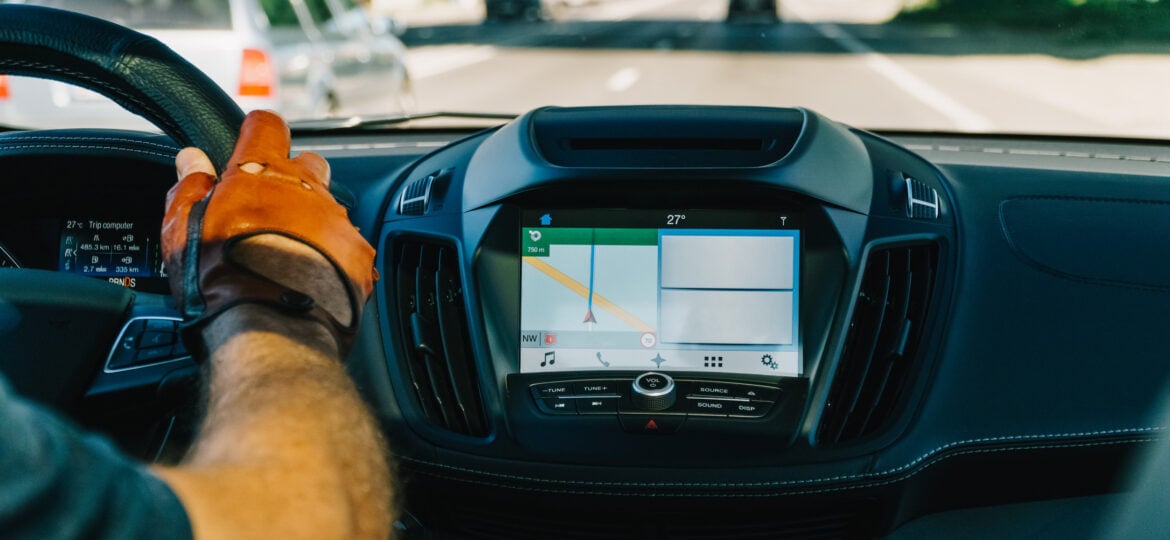
Social media has been buzzing with videos claiming that new 2025 no-touch laws are taking effect nationwide. While there’s some truth to that, the real news for our community is local: Iowa recently passed a new hands-free law aimed at reducing crashes caused by distracted driving. Meanwhile, Illinois continues to enforce its hands-free law, which has been in place since 2010.
In this post, we’ll explain what these laws mean if you’re driving around the Quad Cities, share a quick refresher on what’s allowed (and what’s not), and go over the penalties you could face for breaking the rules. Whether you’re heading to work in Davenport, running errands in East Moline, or passing through Rock Island or Bettendorf, you’ll learn how to stay compliant and safe on both sides of the Mississippi River.
1. Why 2025 No‑Touch Laws Matter
Looking down at your phone for only a second can cause a life-changing accident.
In 2023, the Illinois Department of Transportation (IDOT) reported that cell phone use was a contributing factor in 2,510 crashes in Illinois, resulting in 15 deaths and 1,013 injuries. That same year, the Iowa Department of Transportation (IowaDOT) reported 1,049 distracted driving accidents, resulting in 474 injuries and four fatalities.
On a larger scale, the National Highway Traffic Safety Administration (NHTSA) found that distracted driving contributed to more than 3,200 deaths and over 324,000 injuries in 2023.
These preventable injuries and deaths are why the 2025 no-touch laws matter.
2. Illinois No‑Touch Laws: Already in Motion
Illinois has been serious about addressing distracted driving for more than a decade. The state introduced its first hands-free law back in 2010, and since then, the regulations have been updated in 2014, 2019, and again in 2024.
Right now, Illinois has strict hands-free policies in place that make it illegal for drivers to:
- Hold a phone, even if they’re stopped at a red light
- Use teleconferencing, video, or social media apps while behind the wheel
- Operate a handheld device unless it’s set to hands-free or voice-activated mode
3. Iowa’s 2025 No-Touch Laws Began July 1
Iowa’s new “no-touch” law officially began on July 1, 2025. For the remainder of this year, there will be warning enforcement. Starting in January 2026, full enforcement will begin, and citations will be issued.
Key rules include:
- No holding or manually operating any electronic device (phones, tablets, gaming devices, PDAs, and laptops) while driving
- Calls, texts, videos, or GPS entries must be done hands-free or voice‑activated
4. Key Differences Between Illinois and Iowa Laws
| Feature | Illinois | Iowa |
| Handheld Device Use | Banned since 2010 | New; prohibited in July 2025 |
| Enforcement Type | Active–Primary | Warnings mid‑2025; full enforcement in 2026 |
| Penalties | $75–$150 per offense | $100+ higher fines if injuries occur |
| Age-Specific rules | Applies to all drivers | Allows some exceptions for adults |
Both states, however, permit hands-free use via Bluetooth and voice-activated commands for making emergency calls.
5. Tips for Quad Cities Drivers
Because many residents cross state lines daily, it’s essential to understand and follow both Iowa and Illinois hands-free laws:
- Use Bluetooth or vehicle-integrated systems; don’t fumble with your phone.
- If you must dial, pull safely to the side first.
- Enable the “do not disturb” feature while driving.
- Educate delivery and fleet employees about these laws.
- Keep an eye out for changes in enforcement.
These steps can help drivers in the Quad Cities area avoid citations, reduce the risk of injury, and minimize liability in the event of an accident.
6. What to Do If A Distracted Driver Injures You
When a driver ignores no-touch laws, gets distracted, and crashes into another car, motorcycle, pedestrian, or cyclist, the physical, emotional, and financial toll can be heavy for the injured.
That’s where our legal team comes in. As a local personal injury law firm serving the entire Quad Cities area, we are dedicated to helping people just like you every day.
Here’s how we can make a difference:
- We dig into the details. Our team examines every angle, including whether the other driver was using their phone. Were they violating Iowa or Illinois’ no-touch laws? We also help to gather evidence, such as traffic reports, eyewitness accounts, and sometimes even phone records, to build a strong case.
- We know both sides of the river. The laws in Iowa and Illinois may not always be the same, and we have years of experience navigating the legal systems in Davenport, Moline, Bettendorf, Rock Island, and beyond.
- We handle the insurance headaches. Dealing with adjusters is stressful. We take that burden off your plate by negotiating directly with insurance companies so that you can focus on healing.
- We fight for what’s fair. Whether you’re facing medical bills, missing work, or living with long-term pain, we work to ensure you’re not stuck covering the costs of someone else’s careless mistake.
If you’ve been injured by a distracted driver in the Quad Cities, don’t wait to get help. At Winstein, Kavensky & Cunningham, you’ll meet with an attorney face-to-face who is prepared to represent your best interests from start to finish, even should your case need to go to trial.
Contact a Quad Cities Lawyer After a Distracted Driving Accident
Iowa’s 2025 no-touch laws and Illinois’ current hands-free laws are a step in the right direction, but they only make our roads safer if drivers follow them.
If you’re behind the wheel in the Quad Cities, stay alert, stay informed, and drive distraction-free. But if someone else’s electronic device use leads to a crash and you’re the one left injured, you don’t have to face the aftermath alone.
At Winstein, Kavensky & Cunningham, we’ve been helping injury victims across the Quad Cities for more than 60 years. We’ll walk you through your legal options, explain what to expect, and fight to make sure you get the compensation you deserve.
Contact us today at (309) 794-1515 or complete a secure online form to schedule a complimentary consultation.