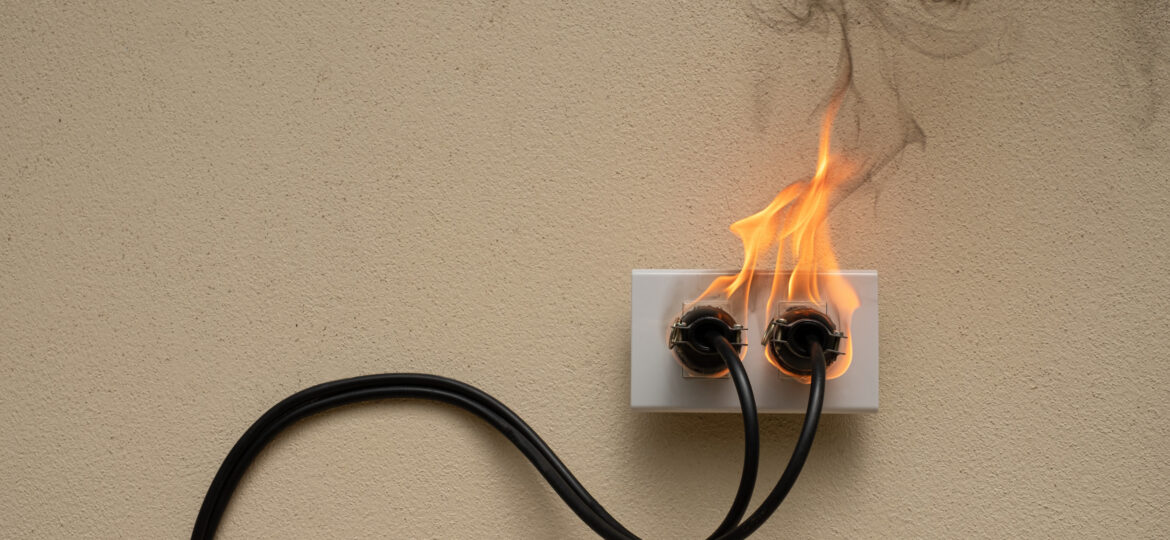
The American Burn Association observes Burn Awareness Week every year during the first full week of February. The week aims to raise awareness about burn prevention and safety. For 2025, the theme is how to avoid electrical burns at home. Electrical burns are often overlooked but can lead to catastrophic injuries or even death.
In this blog, the Quad Cities burn injury lawyers explain electrical burns and offer tips on avoiding them.
What Are Electrical Burns?
Electrical burns occur when an electrical current flows through the body. These burns not only damage the skin but also damage internal organs, muscles, and tissue. Unlike thermal burns caused by direct contact with fire or heat, electrical burns often leave deceptively small external injuries while causing significant internal trauma. Electrical burns can also lead to cardiac arrest due to the current disrupting the heart’s rhythm.
There are 1,000 deaths per year attributed to electrical burns in the United States compared to 30,000 non-fatal electrical shock incidents reported. Around 20% of electrical injuries involve children.
Know the Types of Electrical Burns
One of the best ways to avoid electrical burns is to be aware of the risks and know the different types of electrical burns. There are four types of electrical burns: flash, flame, lightning, and true.
- Flash injuries are caused by arc flashes, where electrical current arcs between two points, resulting in intense heat and light. These injuries typically result in surface-level burns because the electrical current doesn’t go deep into the skin. Improper maintenance or handling of electrical equipment can cause arc flashes reaching 35,000°F.
- Flame injuries occur when clothing catches fire from an arc flash, causing burns. In these cases, the electrical current does not always pass through the skin, and synthetic, flammable fabrics can worsen the injury.
- Lightning injuries are caused by lightning strikes. While rare, lightning strikes can be fatal.
- True electrical injuries happen when a person completes an electrical circuit, resulting in current flowing through their body. These injuries typically have identifiable entrance and exit wounds, often where the current entered and exited the body.
While many may think that electrical injuries are more prevalent in workplaces, they are just as likely to occur in the home.
Tips to Avoid Electrical Burns at Home
Safeguarding yourself and your loved ones to avoid electrical burns requires a combination of knowledge and proactive safety measures. The following tips can help minimize the risks of electrical burns in your home:
1. Inspect Electrical Cords Regularly
Regularly inspect your cords for wear, fraying, or exposed wires. Check items like vacuum cleaners, toasters, blenders, coffeemakers, hair dryers, etc., as well as larger appliances.
2. Avoid Overloading Outlets
Never plug too many devices into a single outlet. This can cause overheating, potentially leading to electrical fires and electrical burns.
3. Use Ground Fault Circuit Interrupters (GFCIs)
GFCIs are specialized outlets that protect against electric shocks and burns by shutting off power if they detect an imbalance in the electrical current. They are ideal for areas with water exposure, such as bathrooms, kitchens, and outdoor spaces.
4. Unplug Small Appliances When Not in Use
Always unplug small appliances like toasters, irons, and hairdryers to prevent accidental overheating.
5. Practice Electric Vehicle Charging Safety
With more electric vehicles on Quad Cities roads each year, it’s important to acknowledge the risk of electrical burns and shock when charging your EV. Always use a certified charging station for your electric vehicle and ensure the outlet is compatible with the charger.
6. Check for Product Recalls
Be aware of product recalls. If you have a dangerous product, do not use it. Follow manufacturer instructions for what to do with the product after a recall.
7. Childproof Electrical Outlets
Use plastic outlet covers or tamper-resistant outlets to prevent children from sticking objects into sockets. Educate your children about electrical safety, including the risks of electrical shock and electrical burns.
8. Avoid DIY Electrical Repairs
While it might be tempting to complete an electrical repair yourself to save a few bucks, it’s not worth the risk of electrical burns or worse. Leave electrical repairs or installations to licensed professionals to ensure safety and compliance with standards.
9. Check Light Bulbs for Proper Wattage
Ensure the light bulbs match the recommended wattage for fixtures. Using the incorrect wattage can lead to fires and electrical burns.
10. Never Run Cords Under Rugs
Cords under rugs can overheat, become damaged, and create fire or electrical burn hazards.
11. Use Surge Protectors
Always use surge protectors on outlets with multiple electronics, such as computers and TVs. This will help avoid electrical burns and surges. Surge protectors should be replaced every three to five years.
12. Use Appliances and Electronics as Directed
Always follow the manufacturer’s instructions for appliances and electronics. Misusing them or attempting modifications can increase the risk of electrical burns and other injuries.
13. Replace Old or Damaged Appliances
Discard appliances with exposed wiring, sparking, or overheating issues to prevent burns and fires.
14. Unplug Electronics and Light Fixtures
Before changing light bulbs or cleaning electronics and appliances–such as refrigerators, microwaves, and lamps–always unplug them to reduce the risk of electrical burns and shocks.
15. Practice Holiday Electrical Safety
Be mindful of electrical hazards during celebrations. For example, avoid overloading outlets during Thanksgiving cooking. Also, inspect Halloween decorations for damaged cords, use non-flammable costumes, and check holiday lights for frayed wires. Use indoor and outdoor lights appropriately and never leave them on unattended to prevent electrical burns or fires.
Share These Safety Tips to Help Friends and Family Prevent Burns
By following the tips mentioned above and acknowledging the risk of these injuries, you can help avoid electrical burns in your home. If you or a loved one has suffered from an electrical burn due to the negligence or recklessness of another, the Quad Cities personal injury lawyers are here to help.
The legal team at Winstein, Kavensky, and Cunningham has extensive experience handling personal injury claims for electrocution injuries and electrical burns. Our local firm values making personal, meaningful connections to our clients in the Quad Cities, so we offer face-to-face meetings. Furthermore, we are fully prepared to take your case to litigation if necessary. Many law firms steer clear of the courtroom, but our attorneys are dedicated to fighting for your rights, securing the compensation you deserve, and holding the responsible parties accountable.
To get started on your claim, schedule your free case consultation. Reach us by phone at (309) 794-1515, via LiveChat, or by filling out our contact form.