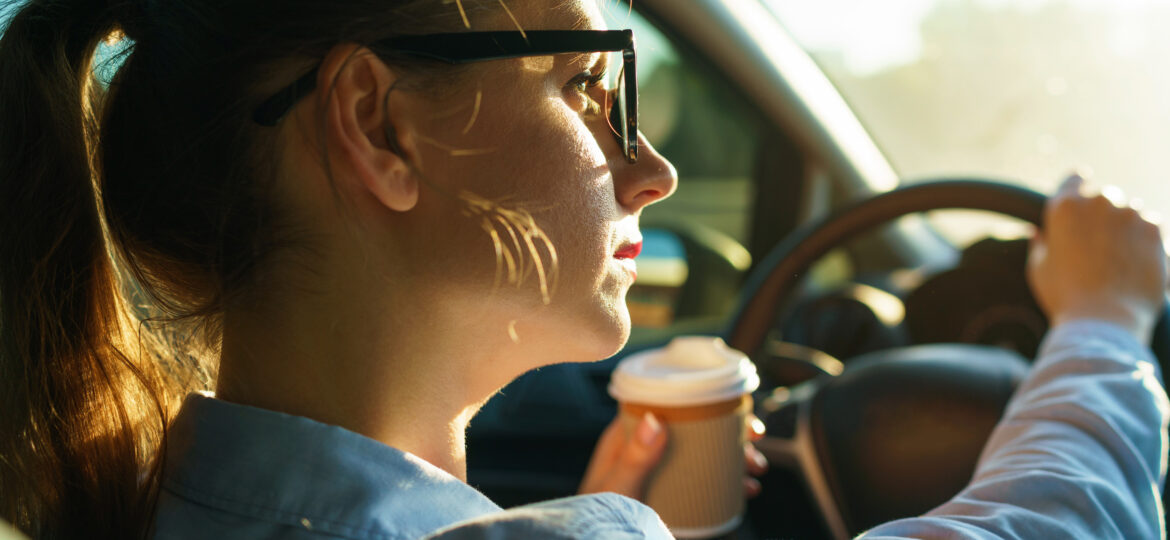
Every spring, drivers in Illinois and Iowa notice a change in their daily routines as Daylight Saving Time (DST) pushes the clocks forward by one hour. Although this adjustment might seem small, DST significantly affects driving, particularly regarding road safety. According to the National Highway Traffic Safety Administration (NHTSA), in 2017, there were 91,000 police-reported car crashes involving drowsy drivers, resulting in around 50,000 injuries and nearly 800 deaths.
As personal injury lawyers, we have witnessed how DST affects driving and can cause serious injuries. Below, we outline ways DST influences driving conditions in Iowa and Illinois—and what steps you can take to keep yourself safe.
DST Affects Driving Increasing Commuter Risks
While losing an hour of sleep might not seem significant, studies indicate that even a minor sleep deficit can negatively affect reaction times and decision-making abilities. In the days following DST, drivers may experience:
- Increased fatigue, resulting in slower reflexes
- Decreased alertness, raising the chances of overlooking stop signs or pedestrians
- A higher likelihood of experiencing microsleeps—brief lapses in consciousness while driving
How to Stay Safe and Avoid Quad Cities Car Accidents:
- Aim to go to bed earlier in the days leading up to DST
- Steer clear of long drives early in the morning after the time change
- Be aware of signs of drowsy driving, such as frequent yawning or trouble concentrating
Another Way DST Affects Driving: Sun Glare and Reduced Visibility
With the time change, Illinois and Iowa drivers might suddenly face different lighting conditions during their commutes. Morning sun glare can be intense, making seeing traffic signals, pedestrians, and cyclists challenging. Conversely, the earlier darkness from DST affects evening driving and can limit visibility on rural roads.
Common Issues after DST:
- Morning glare: Can obscure brake lights and road signs
- Earlier sunsets: Result in more driving at night, raising the risk of accidents
- Adjustments for school zones: Children may be walking to school in dimmer light
How to Stay Safe:
- Wear polarized sunglasses to cut down on glare
- Keep your windshield clean to avoid light scattering
- Use headlights correctly—low beams in fog, high beams on rural Quad City area roads when suitable
More Wildlife on the Move
Iowa and Illinois have a significant deer population, and DST affects drivers’ and passengers’ movement habits. Drivers might notice increased deer activity during dawn and dusk, which raises the risk of collisions.
How to Stay Safe:
- Be particularly vigilant on rural roads and highways, especially near wooded areas
- If you spot one deer, be prepared for more—deer typically travel in groups
- If a deer crosses your path, avoid swerving; instead, brake firmly and maintain your lane
Related: What to Do If You Are Hit by a Driver Swerving to Avoid an Animal?
Changes in Traffic Patterns
The shift in time can result in different commuting behaviors. Drowsy drivers, more traffic congestion, and changes in pedestrian movement increase the risk of car accidents at intersections and on busy roadways.
How to Stay Safe:
- Allow yourself additional time to get to your destination
- Extend your following distance to accommodate slower reaction times
- Be vigilant for pedestrians and cyclists who might not be accustomed to the new lighting conditions
What to Do If You’re Injured in a DST-Related Accident
If you or someone you care about has been hurt in a car accident caused by a drowsy or distracted driver, you might be eligible for compensation. Our Quad Cities area personal injury attorneys can assist you by:
- Collecting evidence, including police reports and witness statements
- Navigating insurance companies to secure fair compensation
- Understanding your legal options for claiming damages related to medical expenses, lost income, and emotional distress
Final Thoughts on How DST Affects Driving in Quad Cities
The shift to Daylight Saving Time brings significant risks for drivers in Iowa and Illinois. By remaining vigilant, adapting to changing conditions, and being aware of your rights after an accident, you can help safeguard yourself and others on the road.
Our skilled Quad Cities personal injury team is ready to assist you if you’ve sustained injuries in a crash. Reach out for a free consultation and discover how we can advocate for the compensation you deserve.
We provide compassionate, in-person support to clients in the Quad Cities. Unlike many other firms, we are ready to take legal action to ensure you receive the compensation you deserve and that those responsible are held accountable. Contact us at (309) 794-1515, through LiveChat, or by completing our contact form.