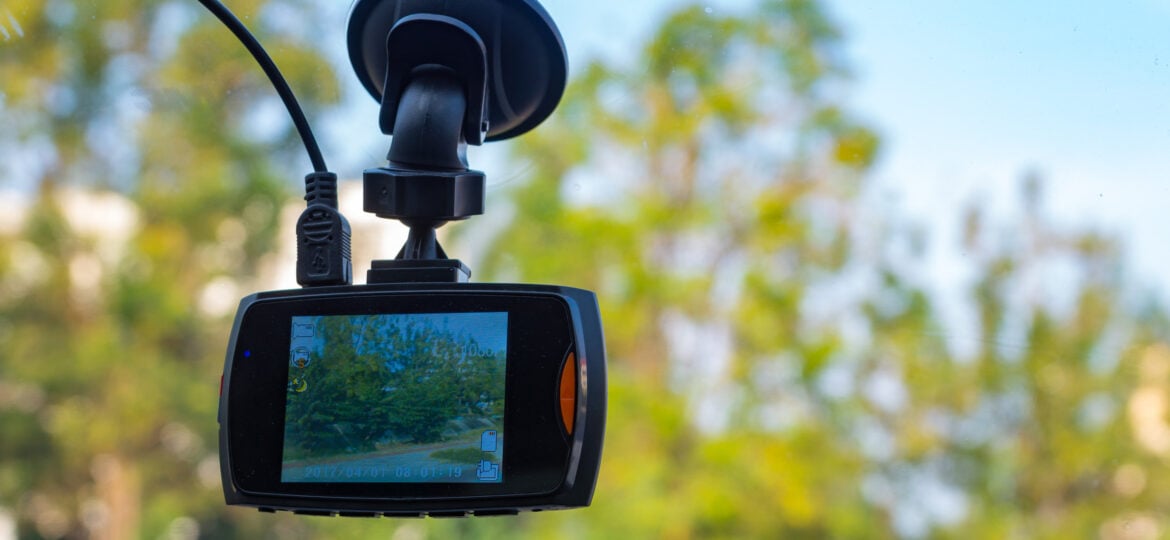
Establishing liability is essential for filing a personal injury claim after a car accident. One of the best ways to do this is by reviewing dashcam footage. Dashcams are becoming one of the most valuable tools for determining fault and gathering evidence after a crash. The use of this new technology is even more vital than ever when U.S. drivers can’t recall 68% of key information following a crash. Understanding how dashcam footage affects liability in Davenport or Moline can help you protect your rights and strengthen your case.
In this blog, the Quad Cities personal injury lawyers at Winstein, Kavensky, and Cunningham explain the benefits of dashcam footage, potential drawbacks, laws regarding dashcams, and how this evidence can be utilized when filing an injury claim.
How Dashcam Footage Affects Liability after an Accident
There are many ways dashcam footage helps prove liability in various accidents.
Objective, Real-Time Evidence
Dashcams provide an unbiased account of a collision by showing details like:
- Traffic signals
- Right-of-way violations
- Speed and direction of vehicles
- Road and weather conditions
- Negligent and reckless behavior of the involved parties
Most importantly, unlike eyewitness recollections, dashcam footage provides an accurate reenactment of how the accident occurred, which can be used as evidence for courts and insurance companies to rely on when assessing fault.
Disputing False Claims
Another way dashcam footage helps prove liability is by refuting false statements if another driver tries to blame you for causing the accident. Because Iowa and Illinois use comparative negligence laws, even partial responsibility could significantly reduce the money you recover for damages.
Supporting Injury Claims
Documenting your injuries after an accident can be done using dashcam footage. Insurance companies and their lawyers might try to minimize your injuries or refuse to pay to avoid paying out a fair settlement, but dashcam footage can help prove the impact. Your lawyer can use this footage as evidence to help win a fair settlement. Additionally, dashcam footage can expedite your claim and reduce the likelihood of a denied claim.
How Dashcam Footage Affects Liability When It Works Against You
While dashcams can work in your favor, the footage can also work against you. If the video shows you engaging in negligent or reckless behavior, even unintentionally, it may reduce your compensation under the comparative fault laws of Iowa or Illinois.
Examples of harmful behavior that dashcam footage may reveal include:
- Speeding
- Reckless driving
- Driving under the influence of alcohol or drugs
- Not following traffic laws
- Distracted driving
- Tailgating or unsafe following distance
- Lane splitting
Since dashcam footage affects liability, it’s best to consult a personal injury lawyer before sharing. A legal review ensures your video evidence supports, not harms, your injury claim.
What to Do with Dashcam Footage after an Accident
If you have a dashcam in your vehicle and are involved in an accident, here’s what you need to do to preserve the footage:
- Do not delete or overwrite the footage, make sure to back it up and save it in multiple locations
- Never post the footage online or on social media
- Only share the footage with your attorney or insurance company
- Do not edit or alter the video in any way
A personal injury lawyer can help you understand how dashcam footage affects liability in your claim. They will advise you on the best time and method to present the footage to law enforcement, insurance companies, or the court.
Dashcam Laws and Best Practices in Iowa and Illinois
Before installing a dashcam, check your state’s laws on dashcam use. Here’s a summary of dashcam laws and helpful advice for Iowa and Illinois:
Iowa dashcam laws
Iowa allows dashcams, but they can’t block the driver’s view. The safest approach is to mount the camera behind the rearview mirror or on the dashboard to avoid violating Iowa Code § 321.438. When it comes to audio recording, Iowa follows a one-party consent rule, meaning you may legally record audio if you are part of the conversation.
Illinois dashcam laws
Dashcams are also legal in Illinois, but are subject to stricter rules. Cameras cannot block the driver’s view and must be installed no more than five square inches on the driver’s side or seven square inches on the passenger side of the windshield. Illinois is a two-party consent state, meaning that all parties in the vehicle must give their permission before audio recording is considered legal.
If you’re going to purchase a dashcam, follow these guidelines to make sure your dashcam is both compliant and helpful in the event of a crash:
- Opt for an HD (1080p or higher) resolution dashcam for clear footage
- Use a 140°–170° angle lens to capture the most area around your vehicle
- Choose an option with night vision
- Mount your dashcam behind the rearview mirror or low on the dashboard, and not in the middle of the windshield
- Unless you have consent from all occupants, turn off audio in Illinois
Contact a Davenport or Moline Injury Lawyer Near You
Understanding how dashcam footage affects liability is crucial if you’re involved in an accident in Davenport or Moline. Properly used dashcam footage can be your best defense against false claims, proving fault, and offering irrefutable evidence for injury claims.
If you’ve been in a crash and have dashcam footage, the team at Winstein, Kavensky & Cunningham is ready to meet you in person and take your case to court if necessary. We know how to collect, analyze, and present video evidence that strengthens your personal injury claim and fight for fair compensation.
Begin your claim with a free consultation; call (309) 794-1515, use LiveChat, or complete our online form.