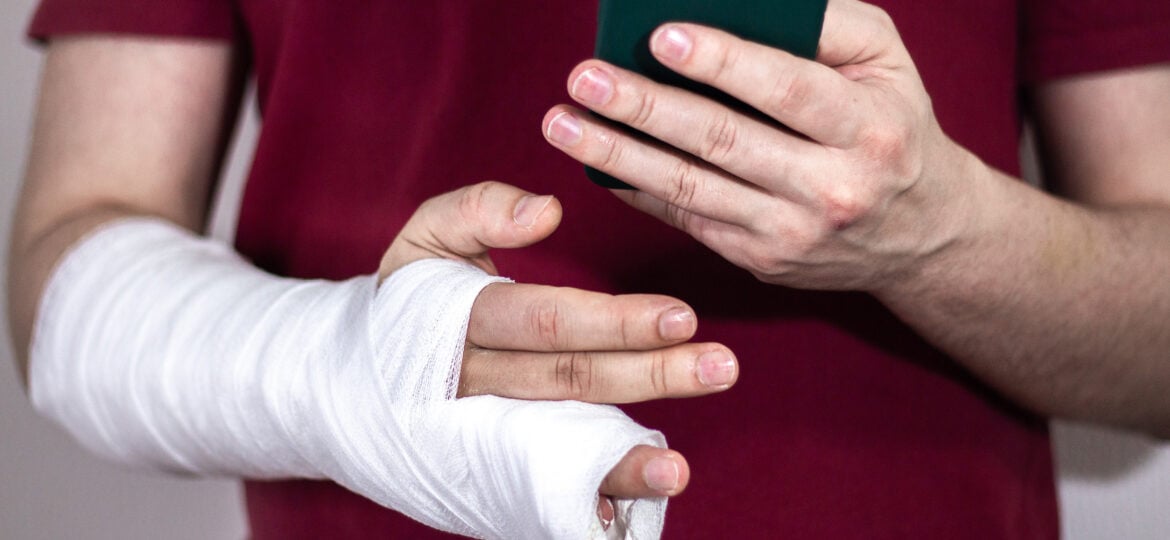
After an accident caused by the negligence or recklessness of another person, there are many steps to take. Besides ensuring your safety, one of the most critical steps is to document injuries after an accident. No matter what type of accident you were involved in—a car wreck, slip and fall, or workplace accident—providing accurate documentation of your injuries helps build a strong case, ensuring you receive the compensation you deserve.
In this blog, our Quad Cities personal injury attorneys explain why you should document your injuries and how to do it, offer suggestions on what to avoid, and answer some FAQs.
Why You Should Document Injuries after an Accident
Like in any legal case, the proper evidence can make or break your personal injury claim when pursuing an injury lawsuit. Insurance companies and their lawyers may downplay your case or deny your claim without proper documentation of your injuries after an accident. Here’s why you need to document injuries after an accident:
- Establish liability
- Proves your injuries resulted from the accident
- Shows how the accident happened
- Demonstrates the severity of both physical and emotional injuries
- Shows your claim for compensation for medical bills, lost wages, pain and suffering, or even wrongful death benefits is accurate and well-supported
Documentation links injuries to the accident and its impact. Insurance adjusters typically try to reduce payouts, so thorough documentation is your best defense against their tactics.
How to Document Injuries after an Accident
While there is no single way to document injuries after an accident, there are several key things you need to do in order to gather supportive evidence for your claim:
Report the accident
After an injury accident, always report it to the proper authorities. For example, call the police after a wreck. If you’re injured in the workplace, inform your employer or supervisor. Make sure to get copies of the police report and paperwork from your employer.
Photograph and record your injuries
It’s vital to get visual documentation of your injuries. Take pictures of any visible wounds or injuries immediately. Take photos periodically to track any changes or worsening of the condition. When recording your injuries, make sure to use a neutral background, use a ruler to show scale and size, and try to add timestamps where you can.
Keep a journal tracking your symptoms and pain
A record of your daily physical and emotional struggles, including limitations, can serve as powerful evidence when you document injuries after an accident. This journal entry gives your claim a personal touch, providing insights that photos or medical records can’t. Write down the following:
- Descriptions of your pain (sharp, dull, constant, etc.)
- Activities you’ve had to stop, like driving and exercising
- How your injuries impact your mood and relationships
Save all medical records, bills, and mental health care documentation
You should keep copies of all your medical paperwork, like:
- Doctor’s notes
- Proof of diagnosis
- Imaging results, such as X-rays and MRIs
- Therapy notes, psychiatric evaluations, and receipts for counseling sessions
- Plans for treatment, including prescriptions, therapies, long-term care, or rehab
- Medical bills for hospital stays, therapy sessions, medications, and medical supplies
These records collectively show the extent of your physical and emotional injuries and their financial impact. Without this evidence, you may not be able to receive financial compensation to recover these costs.
Keep a record of lost earnings
Should your injuries prevent you from working, obtain a letter from your employer specifying your missed work hours and lost wages. This evidence will support your lost income claim.
Common Mistakes to Avoid When Documenting Injuries
Documenting injuries properly is vital to building a strong and successful personal injury claim. However, there are some mistakes you need to avoid that can weaken or invalidate your claim, such as:
Delaying medical treatment
Some injuries, such as whiplash, soft tissue injuries, and concussions, may not have immediate symptoms. Delays in seeking medical attention can harm your health and your claim. It’s always best to seek immediate medical attention after any accident. Additionally, do not avoid seeking mental health care after an accident—many instances of depression, anxiety, and PTSD after accidents go untreated. If you do not seek treatment, you may not receive fair compensation. Mental health care records are just as vital as physical injury documentation for strengthening your case.
Providing inconsistent information
Inconsistent injury reports can seriously damage your credibility. For example, discrepancies between your doctor’s report and your claim could trigger an insurance review. Always be honest, thorough, and consistent when describing your symptoms to doctors and in any records you keep.
Posting on social media
Social media posts after an accident can hurt your insurance claim. Casual photos might falsely minimize your injuries. Insurance adjusters can use this against you to invalidate your claim. Do not share updates about your accident, injuries, and recovery on social media platforms until your claim is finalized. Also, tell your friends and family not to tag you in posts.
Injury Claim Documentation FAQs
Injured in an Accident? Contact our Quad Cities Personal Injury Lawyers
Documenting injuries after an accident isn’t just about gathering evidence; it’s about protecting your rights and ensuring you get a fair settlement. Following the steps above can help build a strong case in your defense.
Navigating the legal system can feel overwhelming, especially while recovering from injuries. One of our Quad Cities personal injury lawyers is ready to help you document your injuries, ensure your claim is filed correctly and on time, and fight for the compensation you deserve. Not only that, but our local law firm is ready to help you in-person. Unlike other firms that shy away from litigation, if we take your case, we are fully prepared to take it to trial to fight for the compensation you deserve.
To get started on your claim, schedule your free case consultation. Reach us by phone at (309) 794-1515, via LiveChat, or by filling out our contact form.