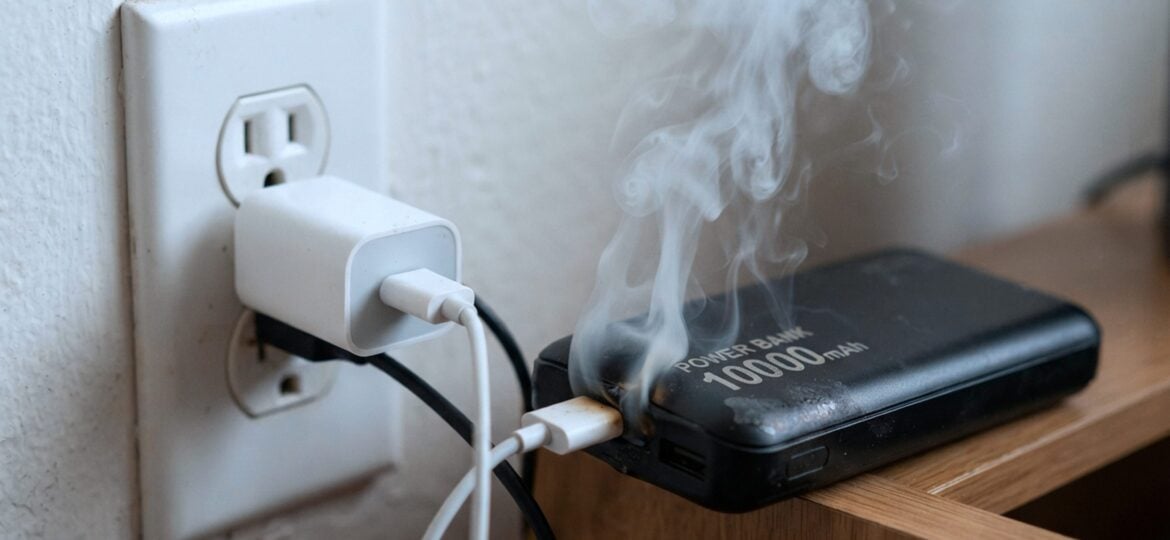
The 2026 Fire Prevention Week campaign spotlights lithium-ion batteries because they are now part of so many everyday products. For families, fire safety in the Quad Cities is about more than safe charging. Fire Prevention Week is also a good reminder to look at everyday hazards, from charging devices and cooking equipment to heating appliances and hot liquids.
A few minutes spent identifying these hazards can help reduce the risk of a life-altering fire or burn injury throughout the year.
Quad Cities Fire Safety Starts with Safe Charging
Rechargeable devices are part of everyday life, from phones and laptops to power tools, e-bikes, and scooters. Safe charging starts with using the charger and cord the manufacturer supplies or approves. Charge devices on a hard, flat surface away from beds, couches, and other materials that can catch fire.
A few simple habits can reduce the risk of a battery fire:
- Follow the manufacturer’s charging instructions.
- Use approved chargers and cords.
- Keep charging devices away from anything that can burn.
- Do not use damaged batteries or devices.
- Give larger battery-powered devices adequate space while charging.
- Unplug devices when fully charged if the manufacturer recommends it.
Watch for signs of a damaged or failing lithium-ion battery, including unusual heat, swelling, leaking, strange odors, smoke, or popping and hissing sounds. Stop using a device if you notice these warning signs, and follow the manufacturer’s safety instructions.
The NFPA also recommends choosing battery-powered products evaluated by a nationally recognized testing laboratory, such as UL, ETL, or CSA. Choosing tested products can help reduce the risk of a battery problem becoming a fire or burn injury.
Fire and Burn Prevention: Reducing Injury Risks at Home
Not every fire risk involves a battery. Kitchens, heating equipment, candles, fireplaces, and electrical devices can all create hazards.
Cooking is one of the most common sources of home fires. Stay in the kitchen when cooking on the stovetop, and keep towels, paper products, packaging, curtains, and other combustible materials away from burners. Turn pot handles away from the edge of the stove, and keep children at a safe distance from hot cookware.
Now, as temperatures fall across the Quad Cities, portable heaters can become another source of fire risk. Place them on a stable surface and keep them several feet away from bedding, furniture, clothing, curtains, and other items that can catch fire.
Candles and fireplaces require similar care. Never leave an open flame unattended, and make sure children and pets cannot easily knock over candles or get too close to a fire.
Burn prevention is just as important. Hot coffee, boiling water, cooking oil, heated appliances, and food straight from the microwave can cause serious burn injuries within seconds. Keep hot liquids away from the edges of counters and tables, and use extra care when children are nearby.
Related topic: Tips to Avoid Electrical Burns
Build a Fire Escape Plan for Your Quad Cities Home
Even careful families cannot eliminate every fire hazard. A few simple preparations can help you respond quickly when a fire occurs.
Start with working smoke alarms. Make sure they are installed in appropriate locations, tested regularly, and maintained according to the manufacturer’s recommendations.
Create a home escape plan with at least two exits from each room when possible and a designated meeting place outside and away from the home. Make sure everyone knows what to do when a smoke alarm sounds, including children, older adults, and anyone with mobility limitations.
A little preparation can make a critical difference when every second matters.
What to Do after Suffering a Burn Injury
When a fire occurs, getting everyone to safety comes first. Call 911 and follow the instructions of firefighters and other first responders. Once the immediate danger has passed, the next concern is treating any burn injuries.
Burn injuries can be serious and may require ongoing care. A fire can also leave a family dealing with medical bills, time away from work, or even temporary housing. To build a strong case, keep records of medical treatment, repair costs, other expenses, and any conversations with your insurance company.
Also preserve information about what caused the fire and how the injury occurred. Photos, receipts, product information, witness details, and other records may be helpful if another person, business, property owner, or product played a role in the incident.
Quad Cities Fire Safety and Serious Injury Claims
If you or a family member suffered a serious burn injury in a fire, Winstein, Kavensky & Cunningham can help you understand your legal options. Our Quad Cities personal injury lawyers have represented injured people and families throughout the Quad Cities, Iowa, and Illinois for more than 60 years.
Contact WKC Law to schedule a free consultation by phone, online form, or LiveChat.
The information on this blog is for general information purposes only. Nothing herein should be taken as legal advice for any individual case or situation. This information is not intended to create, and receipt or viewing does not constitute an attorney-client relationship.